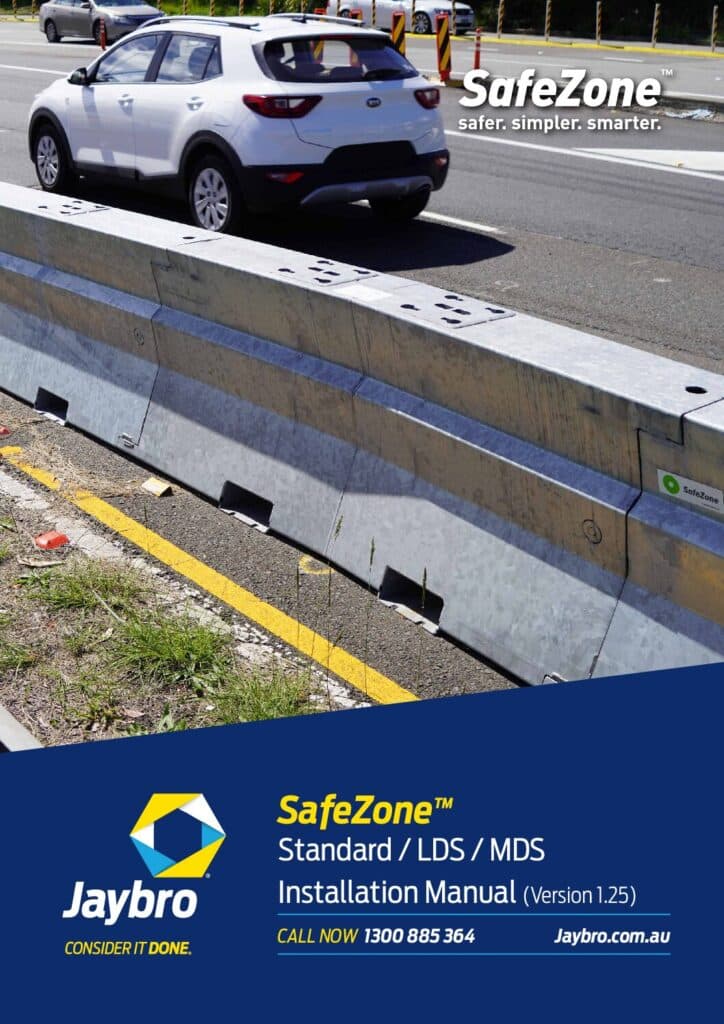
SafeZone is a smooth faced temporary barrier system, anchored to the ground at each end of the system with the option of additional anchoring to stiffen the system and reduce dynamic deflection when impacted by an errant vehicle. SafeZone is fabricated in 5.8 m long elements. The system is typically supplied with two (2) elements bolted together providing an element length of 11.6 m. Each element features male and female Quik Mount connectors facilitating rapid onsite installation.
The symmetrical design of SafeZone enables deployment for verge or median applications and the system may be secured to an asphalt or concrete pavement. The anchoring frequency of SafeZone may be adjusted to provide three (3) configuration options to meet site deflection and vehicle containment requirements.
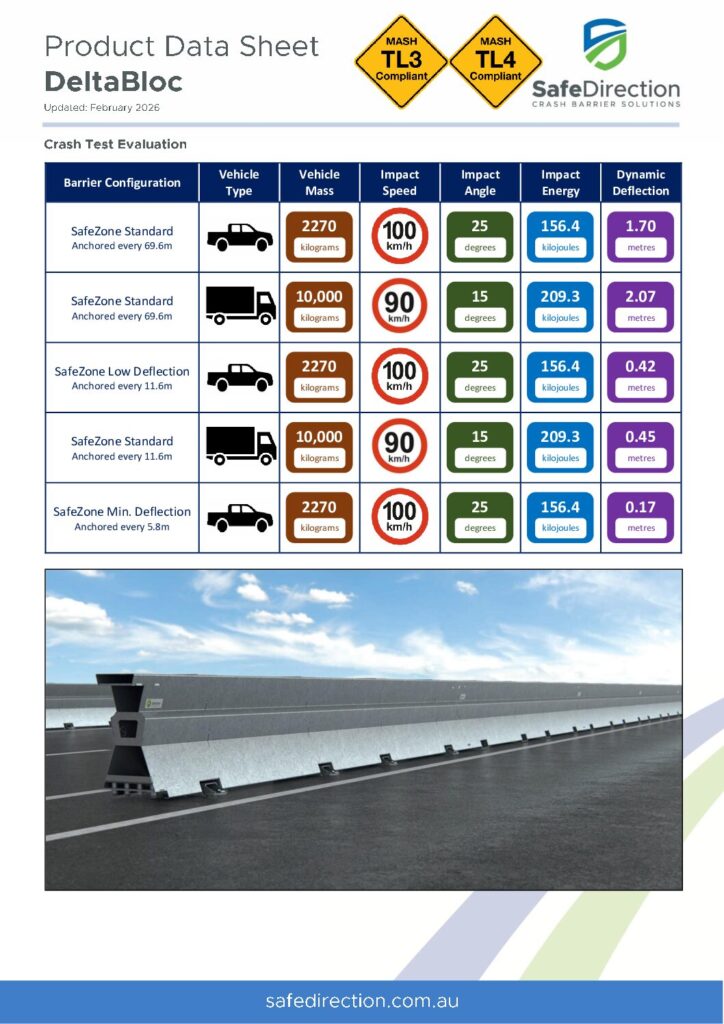
Crash Test Evaluation
Barrier Configuation
Vehicle Type
Vehicle Mass
impact speed
impact angle
impact energy
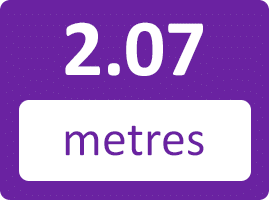
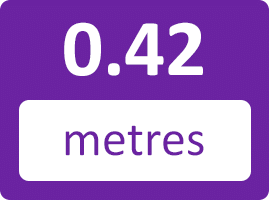
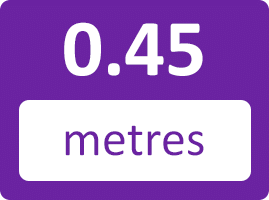
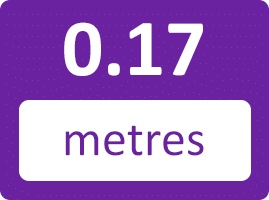
Dynamic Deflection
SafeZone Standard
Anchored every 69.6m
SafeZone Standard
Anchored every 69.6m
SafeZone Low Deflection
Anchored every 11.6m
SafeZone Standard
Anchored every 11.6m
SafeZone Minimum Deflection
Anchored every 5.8m
Barrier Configuation
SafeZone Standard
Anchored every 69.6m
Vehicle Type
Vehicle Mass
impact speed
impact angle
impact energy
Dynamic Deflection
Barrier Configuation
SafeZone Standard
Anchored every 69.6m
Vehicle Type
Vehicle Mass
impact speed
impact angle
impact energy
Dynamic Deflection
Barrier Configuation
SafeZone Low Deflection
Anchored every 11.6m
Vehicle Type
Vehicle Mass
impact speed
impact angle
impact energy
Dynamic Deflection
Barrier Configuation
SafeZone Standard
Anchored every 11.6m
Vehicle Type
Vehicle Mass
impact speed
impact angle
impact energy
Dynamic Deflection
Barrier Configuation
SafeZone Minimum Deflection
Anchored every 5.8m
Vehicle Type
Vehicle Mass
impact speed
impact angle
impact energy
Dynamic Deflection
Product Features
MASH TL3 Compliant
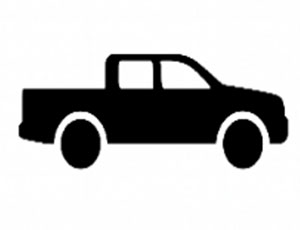
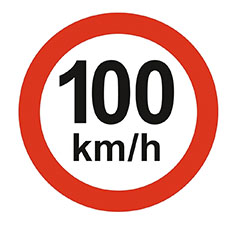
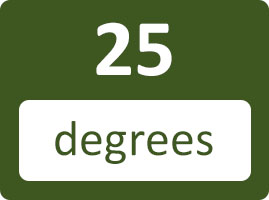
Containment of a 2270 kg pickup truck travelling at 100 km/h and 25 degrees.
MASH TL4 Compliant Options Available
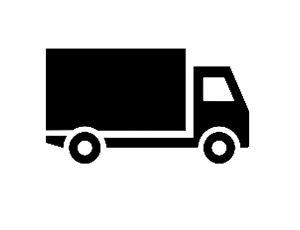
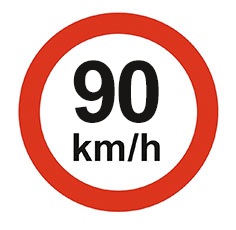
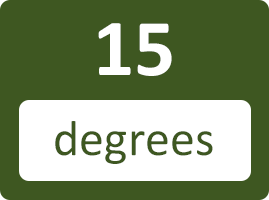
Containment of a 10,000 kg rigid truck travelling at 90 km/h and 15 degrees.
What are the advantages of using a steel workzone barrier?
The lightweight construction of a steel workzone barrier allows more metres to be transported per truckload when compared to a precast concrete barrier. This feature can significantly reduce transportation costs, particularly for projects in remote locations.
How does SafeZone steel workzone barrier work?
SafeZone uses the combination of torsional rigidity, anchoring and system mass to provide safe vehicle containment and redirection.
What are the differences between SafeZone Standard, SafeZone LDS and SafeZone MDS?
All three (3) SafeZone configurations feature identical steel elements. The varying configurations are achieved by adjusting the frequency of the ground anchors to increase the system stiffness.
What pavement types are suitable for the installation of SafeZone steel workzone barrier?
The SafeZone system has been designed to attach to concrete or asphalt foundations.
Is SafeZone available with removable ground anchors?
Yes. SafeZone may be installed with Gravity Bar Anchors providing a robust, reusable, and retractable anchoring solution designed for securing work zone barriers, crash cushions, and other safety infrastructure in both concrete and asphalt. Engineered for strength and durability, these anchors ensure a secure foundation while offering the flexibility of removal and reuse, making them a cost-effective and environmentally friendly solution.
Is SafeZone suitable for verge and median installations?
Yes. The symmetrical design of SafeZone enables it to be deployed as either a single or double-sided barrier providing protection for verge and median applications.
How do I lift SafeZone Workzone barriers?
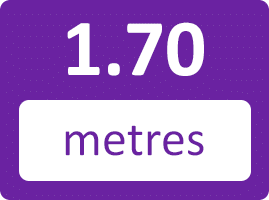
SafeZone is fabricated in lengths of 5.8 m. Prior to despatch, two (2) elements are bolted together providing a unit length of 11.6 m weighing approximately 1070 kg. Each unit may be lifted from the bottom with a forklift or lifted with chains or slings using the two (2) pre-fitted lifting points located at the top of each unit.
How do I position the workzone barrier at my worksite?
Sufficient clearance between the temporary steel barrier and worksite must be provided to accommodate the expected dynamic deflection or working width of the safety barrier system. The deflection and working width of the workzone barrier is dependent upon the speed and mass of the impacting vehicle, the angle of impact and the performance characteristics of the workzone barrier.
What should I do with anchors shoes that are unused?
It is recommended that unused anchor shoes are removed to prevent accidental damage.
Can the barriers be turned over for stacking?
Yes. In order to stack the barrier, it is occasionally necessary to invert the barrier. Lower the barrier onto a wooden block so that the barrier settles on the block near the centre of the barrier clear of cross members and with only one side of the barrier supported by the block. Continue lowering the barrier until it lies on its side. Transfer the chains from the lifting eyes on the top of the barrier to the lifting eyes on the bottom of the barrier and lift the inverted barrier.
Request a Quote
Sign Up For Safe DirectioN Exclusive Content
Fill out the form below to get access to exclusive Safe Direction content, on our extranet website.